At an Al-Anon meeting we discussed the way our housekeeping habits reflected the effects of alcoholism. One person shared that his life felt completely unmanageable unless his house was perfectly neat. Tidiness gave him an illusion of control.
Others, including me, spoke of floors so strewn with clothes, books, and papers that we could not cross the room without stepping on, or tripping over, something. I had always considered this just a bad habit until I heard someone share that this clutter was her way of keeping people at a distance – isolating.
Then I remembered that in the house where I grew up, clutter had served just this function: I was always afraid to invite friends over because everything was too messy. It was uncomfortable to realize that I was doing the same thing in adulthood that had kept me isolated as a child.
Today’s Reminder
By taking a fresh look at what I thought of as just a bad habit, I can free my life of some clutter today. I can consider hidden motives for that habit without condemning myself or my family. Clutter doesn’t have to be physical; I may also find areas of my mental, spiritual, or emotional life that are in disarray. I can heal without making moral judgements about myself or others.
“. . . the Al-Anon program can give me a new view of my world by helping me to see myself more clearly . . .” ~ One Day at a Time in Al-Anon
END OF QUOTE—————————————
I used to think clutter was just a sign of laziness, a failure of discipline, a weakness I hadn’t yet whipped into submission. But recovery has taught me to look again—gently, curiously. The way I kept my space, or failed to, wasn’t a matter of housekeeping. It was a kind of self-portrait. Not the kind you hang on a wall, but the kind you live inside of without even knowing you’re painting it.
Some of us chased perfect order—tidying as if the world depended on it. And in a way, it did. Because if the house was clean, maybe the chaos wouldn’t get in. Maybe the shame would stay behind closed drawers and scrubbed countertops.
Others of us let the mess grow like weeds after the rain. Not because we didn’t care, but because something in us feared being seen. The piles of clothes, the stacks of books, the avalanche of unopened mail—each piece a little “No Trespassing” sign. Keep out. I’m not ready. I don’t feel safe.
Clutter isn’t always physical. Sometimes it’s the noise in my head, the resentment I haven’t released, the outdated beliefs I keep folded in the back of my spiritual closet. Just like the piles on the floor, these inner tangles keep me stuck, keep me disconnected.
But step by step, I can clear space. Not just for company, but for connection. For light. For my Higher Power to sit with me in the openness I once feared.
And so today, I might pick up the socks. Or I might sit still in the middle of the mess and ask: What am I afraid of? What am I protecting? And am I ready to lay it down—not perfectly, but peacefully?
I can heal, not by judging the past, but by listening to it. And in that sacred pause, I clear not just the floor—but the path forward.
In Step Six I contemplate my life undergoing change – tremendous change. The great fear is this: If I shed many characteristics that stand in my way, what will be left? It is as though I face a great void, a terrifying unknown. Yet when I acknowledge how far I have come, I can see how much I want to change. The desire to grow and to heal has brought me to this uncomfortable point, because I am tired of the way I have been. My Higher Power is there to guide me when I am ready.
I find solace in the fact that in Step Six I need not change anything: I must simply prepare myself for change. I can take all the time I need. Such manageability is what I set out to find in the first place. Now it is a part of my life.
Today’s Reminder
I need not judge the rate at which I change old habits or ways of thinking. If I am uncomfortable with old behavior, then on some level I am already moving toward changing it. Change will not be effective unless I am ready for it. I need only trust that, when the time comes to move forward, I will know it.
“Remind me each day that the race is not always to the swift; that there is more to life than increasing its speed. Let me look upward into the towering oak and know that it grew great and strong because it grew slowly and well.” ~ Orin L. Crain
END OF QUOTE—————————————
NOTE: Orin L. Crain was an American writer of a well-loved inspirational prayer and poem known as “Slow Me Down, Lord”, penned around 1957. It’s a meditative plea for calm in a hurried world, including memorable lines like the one quoted above in Courage to Change.
There is a sacred pause between willingness and transformation—and that pause is Step Six. I stand here, on the trembling edge of change, not with a to-do list, but with a heart cracking open. I am not being asked to leap, only to want to leap. To prepare. To say, “Yes, I am willing… eventually.”
It’s humbling to realize how much fear still clings to the familiar—even when that familiarity is toxic. I’ve worn some of these defects like armor, others like masks. To set them down feels like disarming in a battlefield I’ve lived in for so long. Who will I be without them? There’s a void waiting, and it whispers not of death, but of birth.
That void is sacred. It’s not empty—it’s fertile. It’s where my Higher Power does the deep work.
I remember: I’ve come this far not by force, but by grace. Not by fixing, but by surrendering. It was my pain that brought me here, but it is my hope that keeps me here. Step Six asks me to trust the alchemy of readiness. That just noticing the discomfort in my old ways is already a sign that the new way is being born in me.
And I don’t have to rush it.
My pace is not a problem. My discomfort is not a failure. It is evidence. Proof that healing has begun.
I asked for manageability. Here it is: a Power greater than myself will carry the weight of change. All I must do is loosen my grip.
I’ve heard my Al-Anon friends refer to Steps Ten, Eleven, and Twelve as “maintenance” Steps. But I don’t want to merely maintain where I was when I completed Step Nine. This is not time to stagnate! Instead, I call them “growth” Steps. No matter how old I get, these last three Steps let me continue to challenge myself.
I tested this theory of mine when my spouse and I retired. I have more time now to meddle in others’ affairs, worry about our health, worry about finances, worry about world conditions, or to put it bluntly, just more time to go back to my old “stinking thing.” But with the help of these Steps, I find I also have more time to be aware of the extraordinary benefits of personal growth, with my Higher Power ever there to guide me and give me strength. Only with this increasing conscious contact with my God, can I live as I want to today.
The icing on the cake has been that I have more time to carry the message of this beautiful way of life. Some of my most pleasant memories, not to mention the times of greater growth, have come from this sharing with others and in giving service to my group and to Al-Anon as a whole.
Today’s Reminder
With the help of the Steps, I need never be stuck again.
“Be not afraid of growing slowly, Be afraid only of standing still.” ~ Chinese Proverb
END OF QUOTE—————————————
There was a time when the word maintenance felt like a settling—a quiet surrender to inertia. But I have learned, as the light of recovery grows steadier, that what some call maintenance, I experience as movement. Steps Ten, Eleven, and Twelve are not the end of the journey, nor are they merely a way to keep my spiritual tires inflated—they are the path of transformation itself. They are the rhythm of continued becoming.
When I first completed Step Nine, I felt something shift. A burden lifted, yes—but more than that, a space opened up inside me. And it didn’t ask for preservation. It asked for filling. For deeper honesty, deeper communion with my Higher Power, and deeper service. If I had stopped then, I might have become polished on the outside but hollow within. Instead, the invitation came clear: Grow.
Retirement brought unexpected challenges—more time to think, to meddle, to worry. The old fears found room again to rehearse their monologues. But I had tools now. I had the quiet daily practices of Steps Ten and Eleven—the gentle review of my inner world and the simple, sacred reaching toward God. These Steps became a compass when I felt adrift, a grounding when the old chaos tried to disguise itself as productivity.
And then there’s Step Twelve. The one that reminds me: this isn’t just for me. Carrying the message—whether in a quiet word over coffee or chairing a meeting—expands the gifts of recovery beyond my small life. It opens the windows again and again. It reminds me that joy doesn’t come from perfect circumstances, but from shared truth. I’ve been lifted more in giving than in receiving. Some of the most unexpected grace has shown up when I thought I was the one doing the helping.
Today, I don’t want to maintain—I want to be renewed. I want to be surprised by my own willingness to grow. That’s the miracle: this way of life doesn’t grow old, even as I do. It keeps inviting me, day after day, into the better version of myself—one that walks in humility, serves in love, and listens for the voice of God in every small moment.
I dreamt that I was trapped in a burning room. This smoke filled the air, and the only exit door was blocked by fire. As I gasped for breath, a hand appeared behind the flames, beckoning me to come. I knew that freedom, light, and air were on the other side of that door, and that certain death awaited me if I remained. Still, I hesitated. how could I walk through the fire?
Sometimes I feel the same way about the challenges I face in my waking life. Even when my position is hopeless and my Higher Power beckons, urging me to take a risk, I still hesitate, hoping for a miracle. I forgot that the miracle is already here. Today, thanks to Al-Anon, I have a Higher Power who is always here. Today, thanks to Al-Anon, I have a Higher Power who is always there for me, helping me to cope with my fears and find new, effective solutions to my problems. Thus, I am taken beyond the problems that once held me hostage. I am free to act or not to act, to take a chance, to hold off on a decision, to make choices that feel right.
Today’s Reminder
It takes courage to step beyond what is comfortable, predictable, and known. Courage is a gift from my Higher Power that I find in the rooms of Al-Anon and in the hearts of its members.
“Courage faces fear and thereby masters it.” ~ Martin Luther King, Jr.
END OF QUOTE—————————————
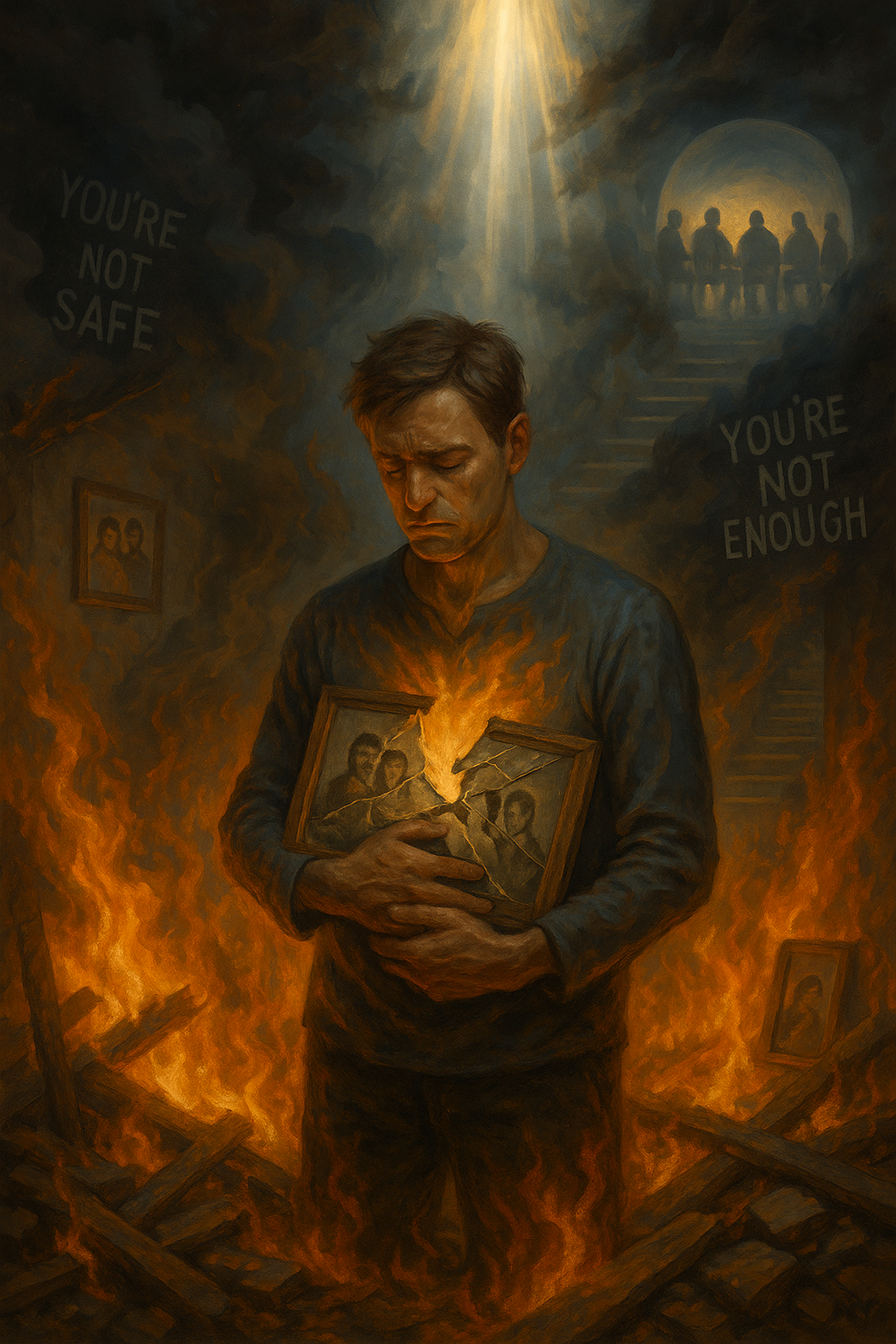
There are days when the fear feels cellular—like it was encoded in me before I ever had words for it. I can feel it tighten in my gut, that old companion of anxiety, whispering the same terrible stories: You’re not safe. You’re not capable. You’re not enough. These aren’t rational fears. They’re relics—ghosts from the house I grew up in, where silence was loud, and love came with conditions. The damage wasn’t just environmental—it was spiritual. A haunting, inherited unease, as if I had been born already braced for impact.
In recovery, we often speak of fear as False Evidence Appearing Real, but when your nervous system was forged in chaos, the illusion feels like reality. Like being caught in a dream where the walls are on fire, and the exits are hidden behind emotional debris. Even when the flames are illusion, the burn is real.
But there is something remarkable that happens in the 12 Step program. I begin to awaken. Slowly. The nightmare begins to fade. Not because the fear disappears, but because I start to see it for what it is: a shadow from the past, not a command in the present.
When I hesitate, when I freeze before the next step, I try to remember—I am no longer alone. There is a Presence now. A Higher Power who does not demand I be fearless but invites me to be faithful. A Power that doesn’t just reside in some cosmic realm but shows up in quiet meetings, in the trembling voice of a newcomer, in the nod of someone who has walked through their own fire and lived.
The miracle isn’t that the fear is gone. The miracle is that I don’t have to obey it.
Now I am allowed to pause without shame. To act without certainty. To risk a better outcome than the one fear predicted. This courage is not manufactured—it’s gifted. And like all spiritual gifts, it flows best when shared. So, I keep showing up, lending my presence to the room, hoping someone else might see in me what I see in them: not a broken survivor of a fire, but a living ember of healing light.
And that’s how we pass through the flames—together.
Resentments poisoned most of my waking hours before I found Al-Anon. I could keep a fire under a resentment for days, or years, by constantly justifying why I felt the way I did. Today, although it is important to notice my feelings, I don’t have to continually rehearse and re-hears my grievances. It’s not necessary to keep reviewing how I have been hurt, to assign blame, or to determine damages.
Ultimately, I may not resolve everything with the person in question – though that might be pleasant if it came to pass. I just want to be rid of the resentment because it prevents me from experiencing joy. I try to shift my energy to where it will do some good. I apply Steps Six and Seven because, to me, the way to let go of resentment is to turn to my Higher Power. I want to become entirely ready to have my Higher Power lift it, and I humbly ask for help.
Today’s Reminder
If I am holding a resentment, I can simply ask for relief, for peace of mind in the present moment. I will remind myself that this relief will come in God’s time. Then I can grow quiet, be patent, and wait.
“No man can think clearly when his fists are clenched.” ~ George Jean Nathan
END OF QUOTE—————————————
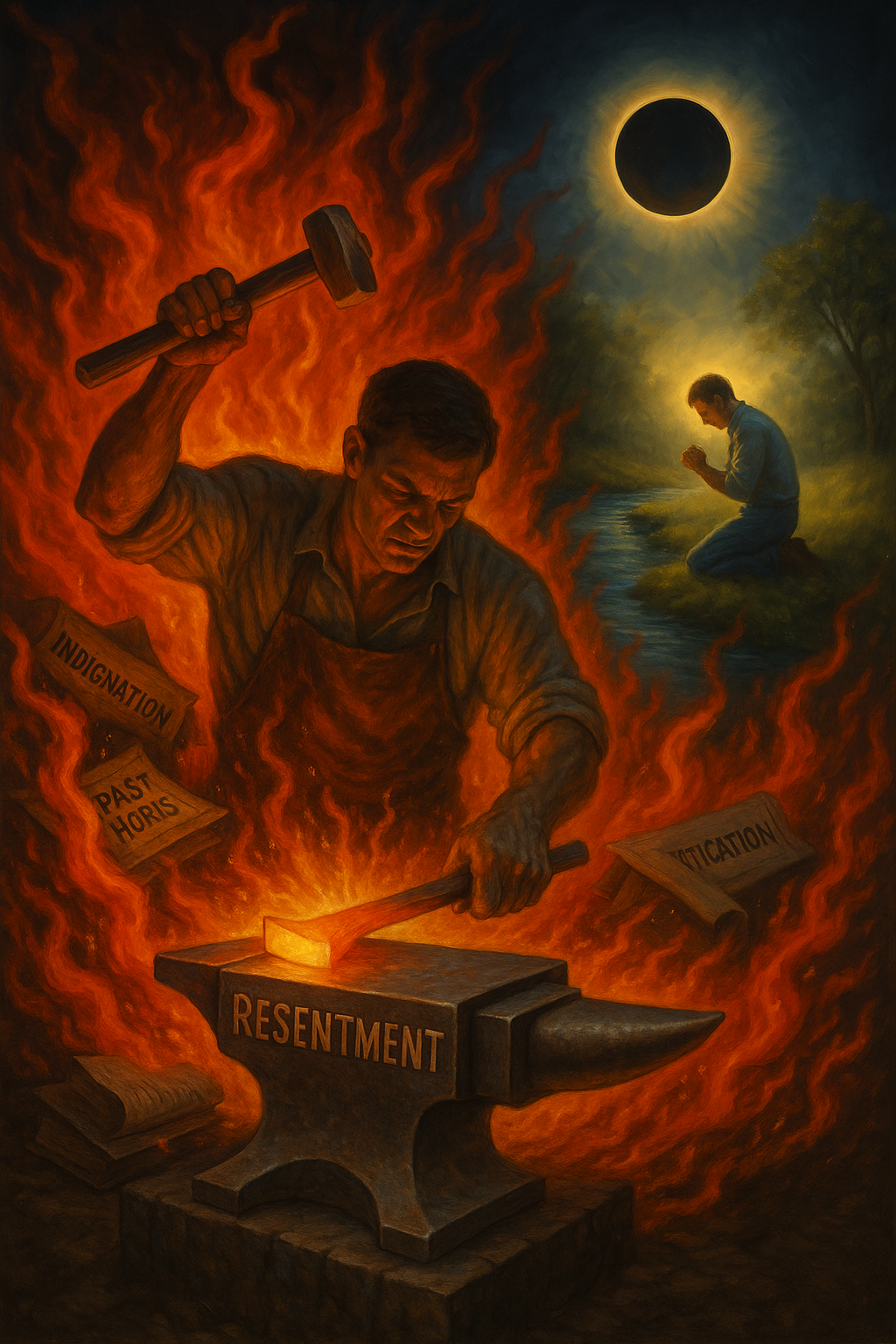
Before Al-Anon, I lived like a blacksmith of bitterness—hammering my pain on the anvil of justification. I would feed the flames of my resentments with stories, evidence, indignation. I needed them to feel real, to feel righteous. In some twisted way, they gave me purpose. They made me feel strong… or at least not powerless.
But over time, I began to notice that these resentments weren’t armor—they were acid. They didn’t protect me; they corroded my joy. They poisoned my quiet moments and shadowed my attempts at peace. They stole the present by chaining me to a past I couldn’t change and a future I feared repeating.
In recovery, I’ve come to understand that my feelings are valid, but they are not sovereign. I don’t have to kneel at their altar every time they cry out. I don’t have to rehearse the injury or assign moral scores. I don’t have to play judge and jury in a courtroom where I am both plaintiff and prisoner.
I ask my Higher Power to lift it—to take this burden from my hands and replace it with peace, even if it’s just for now. And sometimes, that’s enough.
Sometimes, all I need is to stop fanning the fire. To grow still. To wait in patience and trust.
Because the miracle isn’t that the resentment vanishes overnight.
The miracle is that I am no longer alone with it.
“If you have a resentment you want to be free of, if you will pray for the person or the thing that you resent, you will be free. If you will ask in prayer for everything you want for yourself to be given to them, you will be free. Ask for their health, their prosperity, their happiness, and you will be free. Even when you don’t really want it for them and your prayers are only words and you don’t mean it, go ahead and do it anyway. Do it every day for two weeks and you will find you have come to mean it and to want it for them, and you will realize that where you used to feel bitterness and resentment and hatred, you now feel compassionate understanding and love.” ~ Alcoholics Anonymous, 4th Edition, page 552 (3rd Edition, page 544)
I can certainly learn from criticism, and I want to remain open to hearing what others have to say, but neither my popularity nor my ability to please those I live and work with are legitimate measures of my worth as an individual. Al-Anon helps me to recognize that I have value simply because I breathe the breath of humanity. As I gain self-esteem, I find it easier to evaluate my behavior more realistically.
The support I get in Al-Anon helps me find the courage to learn about myself. As I come to feel at home with myself and my values, my likes and dislikes, my dreams and choices, I am increasingly able to risk other people’s disapproval. I am equally able to hone others when they choose to be themselves whether or not I like what I see.
Today’s Reminder
With the help of a loving Sponsor and the support of my fellow Al-Anon members, I am learning to find my place in this world – a place where I can live with dignity and self-respect.
“I exist as I am, that is enough, if no other in the world be aware I sit content, and if each and all be aware I sit content” ~ Walt Whitman
END OF QUOTE—————————————
In the rooms of 12 Step recovery, I’m slowly unlearning a lifetime of performance—this old belief that I am only as good as what others think of me. Approval was once my oxygen. I would hold my breath, shapeshift, and contort my spirit into whatever I thought might earn a nod, a smile, or—God forbid—avoid rejection.
But recovery has given me a new breath to draw from: the breath of humanity, the truth that I have worth simply because I exist. Not because I am liked. Not because I am helpful. Not because I never upset anyone. Just because I am.
That realization didn’t land all at once. It came in small whispers—through shares that mirrored my hidden pain, through the steady voice of my Sponsor reminding me that dignity isn’t something I earn; it’s something I reclaim.
With the safety net of this fellowship, I’ve begun to risk being seen—not the curated self, but the actual self. And oddly enough, the more I become acquainted with who I really am, the less I need unanimous applause to feel okay. I can stand when others sit. I can disagree and still belong. I can love someone and let them disapprove of me.
The beauty of this journey is that it opens my hands—not just to receive love, but to offer it freely. I no longer have to hoard connection or manipulate acceptance. I can honor someone else’s path, even if it’s different from mine. I can let them be real, too.
And in moments of solitude, when there is no audience and no validation, I can whisper to the silence:
Years ago I started collecting sayings, and when I remembered, I preserved them in a Page called Quips and Quotes on this site. I have updated them recently. Click the hyperlink if you want to go directly to that page. And please comment if you have something you heard in recovery and would like to submit it for safe-keeping here, at the Daily Reprieve.
I talked to AI about the quick draw value of this tool in recovery and showed it my page. The following is a work that AI and I produced together:
Alcoholics Anonymous (AA) is rich with slogans and sayings—short, memorable phrases used to convey key spiritual and recovery principles. These sayings offer encouragement, perspective, and guidance, often repeated in meetings or found on AA literature and medallions.
Here’s a list of commonly used AA sayings:
🔁 Core AA Slogans
One Day at a Time – Focus on staying sober just for today.
Easy Does It – Slow down; don’t force outcomes.
Let Go and Let God – Release control and trust your Higher Power.
Live and Let Live – Focus on your own life and allow others to live theirs.
First Things First – Prioritize sobriety and essentials before anything else.
Keep It Simple – Avoid overcomplicating your recovery.
Progress, Not Perfection – Strive for improvement, not flawlessness.
This Too Shall Pass – All emotions and situations are temporary.
Think… Think… Think – Pause and reflect before acting, especially in emotional moments.
🧭 Spiritual & Reflective Sayings
Nothing Changes if Nothing Changes – Change requires action.
God Doesn’t Make Junk – Each person is inherently valuable.
I Am Responsible – For my own recovery and how I treat others.
We Are Only as Sick as Our Secrets – Honesty brings healing.
Act As If – Behave as the person you want to become.
Let It Begin with Me – Start the change you want to see.
Fear is the Absence of Faith – Encouragement to trust over panic.
🛠️ Tools for Daily Life
HALT – Don’t get too Hungry, Angry, Lonely, or Tired.
Keep Coming Back – Recovery is built on continued participation.
Fake It Till You Make It – Do the right things even if you don’t feel them yet.
Take What You Like and Leave the Rest – Accept what helps you in meetings.
Don’t Take That First Drink – Sobriety starts with the first decision.
🧱 Recovery Milestone Sayings
It Works If You Work It – Recovery requires action and effort.
One is Too Many, and a Thousand is Never Enough – Warning about the slippery slope of addiction.
Stinkin’ Thinkin’ – Negative or addictive thinking patterns.
A Drink is Too Many and a Thousand Not Enough – Similar to above; the obsession grows once it starts.
You’re Only as Sober as Your Last Drunk – A reminder of humility and the need for continued vigilance.
The Cracked Mirror That Speaks Truth
There’s a peculiar power in these rooms—where truth doesn’t arrive dressed in doctrine, but in punchlines and paradoxes. The sayings we pass around aren’t just slogans. They’re soul shorthands—condensed wisdom forged in the crucible of ruin and grace.
“Don’t analyze—utilize.” That’s the invitation. My mind used to be a maze where nothing escaped without being dissected to death. I called it insight. But in truth, it was paralysis—mental masturbation, looping endlessly in thought with no climax of action. The Steps don’t ask me to figure them out. They ask me to take them.
Because recovery isn’t a theory. “It is easier to act yourself into a new way of thinking than to think yourself into a new way of acting.” That line cracked something open in me. It taught me to lace my shoes even when I didn’t want to walk. It taught me to call a sponsor even when I had nothing to say but silence. It taught me that willingness is not the absence of resistance but the choice to move anyway.
Still, the disease whispers: tell them your drunk-a-log one more time—stretch it out like a greatest hits album. But pain without solution becomes performance. I have learned to pivot: less biography, more blueprint.
And when I try to do this thing by force, to muscle my way through grief or control another’s journey, I remember the phrase that humbles me every time: “Pushing rope.” You can’t force serenity. You can’t yank God on a leash. You surrender.
I’ve also learned that I can work the Twelve Steps backwards—that sobriety without spiritual practice can become its own high horse. First I stop writing. Then I stop praying. Then I stop listening. Then my ego makes a comeback tour—and I confuse insight with immunity. When that happens, and my ass is on fire, no amount of spiritual bravado will do. I need emotional toilet paper—the daily cleansing of Step Ten. The rinse and repeat of accountability.
I’ve cried out to a God who I felt was too quiet, too slow—only to later realize, as someone said: “God is old, and He is slow.” He is not rushed. But neither is He absent. His grace has rarely arrived early, but never has it come too late.
Sometimes the most devastating thing is realizing that “the worst thing that ever happened to me… never happened.” I built whole stories around shadows. I defended against disasters that never came. I’ve spent decades fearing phantoms.
But now, when I surrender control of the remote, I whisper: “It’s God’s turn to say what we’re watching tonight.” I practice living by faith, not just in Him, but in the unfolding script He’s already written.
“If you don’t stand for something, you’ll fall for anything.” For me, that “something” is my spiritual center. My recovery. My daily choice to show up, not just for myself, but for the ones who haven’t arrived yet. Because “you’ve got to give it away to keep it.”
And the more I receive, the more I must share. Otherwise, I risk spiritual constipation—hoarding blessings, clutching insights, until my soul gets sluggish. The truth is: “I get drunk. We stay sober.” Community is the crucible.
I’ve learned to challenge my thoughts. Because “it’s a fact that you’re feeling, but what you’re feeling is not necessarily fact.” Feelings are visitors, not deities. They pass through, but they don’t dictate my truth.
“It gets easier when you remember the ‘it’ is you.” Recovery isn’t something I do—it’s who I become. I stop treating myself like a project to fix and start loving myself as a person worth keeping.
Because me hating myself and being good to you cannot live in the same house. Eventually, the foundation crumbles. Integrity begins within.
And when I write—truly write—I tremble. Because writing it down makes it vulnerable. And vulnerability, I’ve learned, is not weakness. It’s Step Four in ink.
I’ve come to see that every problem is a First Step problem, rooted in unmanageability, and every solution is a Twelfth Step solution, rooted in service, in the transcendence of self.
“The good thing about the program is that it works. The bad thing about the program is that it works.” It doesn’t let me hide. It brings light to the places I thought were cleverly locked away. It makes me face the fact that I wasn’t always a victim. Sometimes, I volunteered for the pain.
And now? Now, I’ve got a three-minute filter on my mouth, because after three minutes, nobody’s listening but me. And in those three minutes, I’ve got to make it count.
Yes, I’m an egomaniac with an inferiority complex, and I used to think that isolation cured loneliness. But now I know—my disease thrives in silence, but it dies in the light of shared stories.
Religion is God on the outside trying to get in. Spirituality is God on the inside trying to get out. I no longer search for God in stained glass and ritual alone. I find Him in steps, in coffee cups, in the shaking voice of the newcomer.
You’re never too dumb for this program. But you can be too smart. I’ve been that guy—the one who reads the “white parts” of the Big Book. But now I listen for the black ink—the hard-won truth.
Alcoholism is a disease that demands to be treated—either with alcohol or with meetings. And so, I choose meetings. I choose life. I choose to remember: “My gifts end at my fingertips.” I cannot save anyone. I can only offer what’s been freely given.
Kierkegaard had it right: “Life can only be understood backward, but it must be lived forward.” So I look back—but I don’t stare. I gather the wisdom, and then I move. One day further from my last drink. One day closer to the man I am still becoming.
Alcohol was killing me, but just refused to bury me. Grace had other plans.
So now, I carry a pencil in my pocket. Because a short pencil is better than a long memory—and I never know when the truth will show up in a meeting, in a miracle, or in a mess.
This program hasn’t just made me sober. It has made me comfortable with who I am—so that I no longer apologize for who I am not.
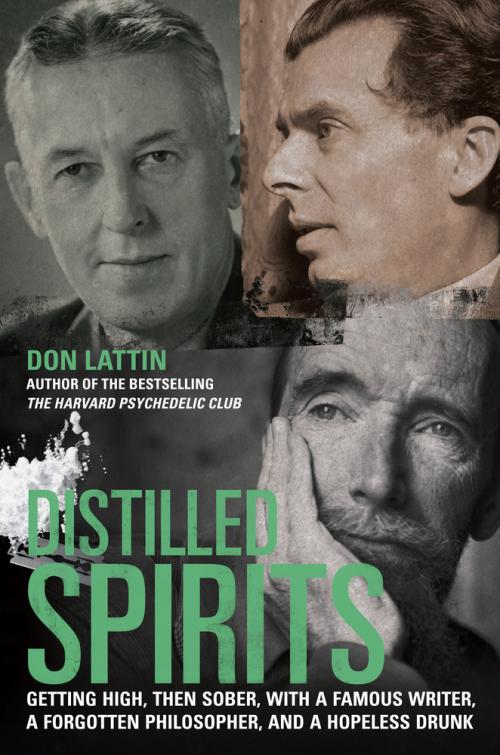
The quoting of Aldous Huxley in the Courage to Change for August 3rd reminded me of a very interesting book I read a little while back:
I recommend it as a good read and I also believe there is great promise in psychedelics taken in quest mode, with a way of recording the visions and insights that come from the experience. Such written take-aways from the protected experience can then be used as after-work with many years of development before delving into the experience again.
My own belief is that, though they may start by being something of an embarrassment, these new mind changers (psychedelic drugs) will tend in the long run to deepen the spiritual life of the communities in which they are available…From being an activity mainly concerned with symbols, religion will be transformed into an activity concerned mainly with experience and intuition. ~ Aldous Huxley, 1958
First, there are the colors and the beauties and designs and the way things appear. But that’s just the beginning. At some point you notice that there aren’t these separations that we normally feel. We are not on some separate island — shouting across and trying to hear what each other are saying. Suddenly you know. You know empathy. It’s flowing underneath us. We are parts of a common continent that meets underneath the water. And with that comes such delight – the sober certainty of waking bliss.” ~ Gerald Heard, 1956
I am certain that the LSD experience has helped me very much. I find myself with a heightened color perception and an appreciation of beauty almost destroyed by my years of depression…The sensation that the partition between “here” and “there” has become very thin is constantly with me. ~ Bill Wilson, 1957
There is a sacred difference between escape and exploration.
For much of my life, I sought relief — not insight. I reached for comfort, not communion. But the journey of recovery has taught me that the real treasure isn’t in the euphoria of forgetting — it’s in the courage to remember. To sit with what is. To ask what it means.
That’s why the idea of psychedelics taken in “quest mode” resonates not as a contradiction to recovery, but as a potential deepening of it — when done with intention, protection, and reverence. Not as a drug to alter mood, but as a key to a door locked within the self. And once opened, what matters is not the vision itself, but the work that follows. The journaling. The integration. The building of a bridge between the subconscious and the everyday.
As Aldous Huxley foresaw, maybe the real promise of these sacraments is that they bring religion down from the pulpit and back into the body — into lived, felt, undeniable experience. When symbol gives way to direct communion, what once felt like dogma begins to pulse like music. Like meaning.
Gerald Heard’s words land like a remembering: we are not separate. Not really. The veil thins, and with it, our armor. In that space, empathy is no longer a theory — it’s a sensation, a current we belong to. That kind of knowing can’t be undone. It becomes part of the inner world we bring to every conversation, every encounter.
And then there is Bill W. — co-founder of our spiritual lifeline — humbly affirming that even after sobriety, there remained layers of perception long dulled by the slow corrosion of depression. His words are not a call to use, but a call to listen — to the possibilities of healing, to the thin places between worlds.
For me, I have no need to “get high.” That path was well-trodden, and it nearly destroyed me. But the idea of getting open — even just a little more — to the Divine, to inner truth, to wonder — that feels aligned with the Eleventh Step: Sought through prayer and meditation to improve our conscious contact with God, as we understood Him.
If another seeker finds their contact improved through a carefully prepared sacramental experience — and they return with notes from the other side that help them walk with more grace and clarity here — I will not call that sin. I may call it sacred.
This is not advocacy. It’s inquiry. It’s humility. It’s staying open.
And it’s remembering that anything powerful — even a mushroom — must be held with reverence, not recklessness.
I welcome the testimonies of others, not to validate my view, but to expand my perspective. We’re not meant to walk this road alone. And sometimes, even the most unlikely companions — whether books, chemicals, or visions — can help guide the next right step.
But the journey? That’s ours. One sober, sacred day at a time.
NOTE: If you are a newcomer, do not explore this until you are actually at Step 11. And then take care to protect your activity legally, and make sure that you are open with your Sponsor and Safety Net about it to help maintain vigilance against the disease.
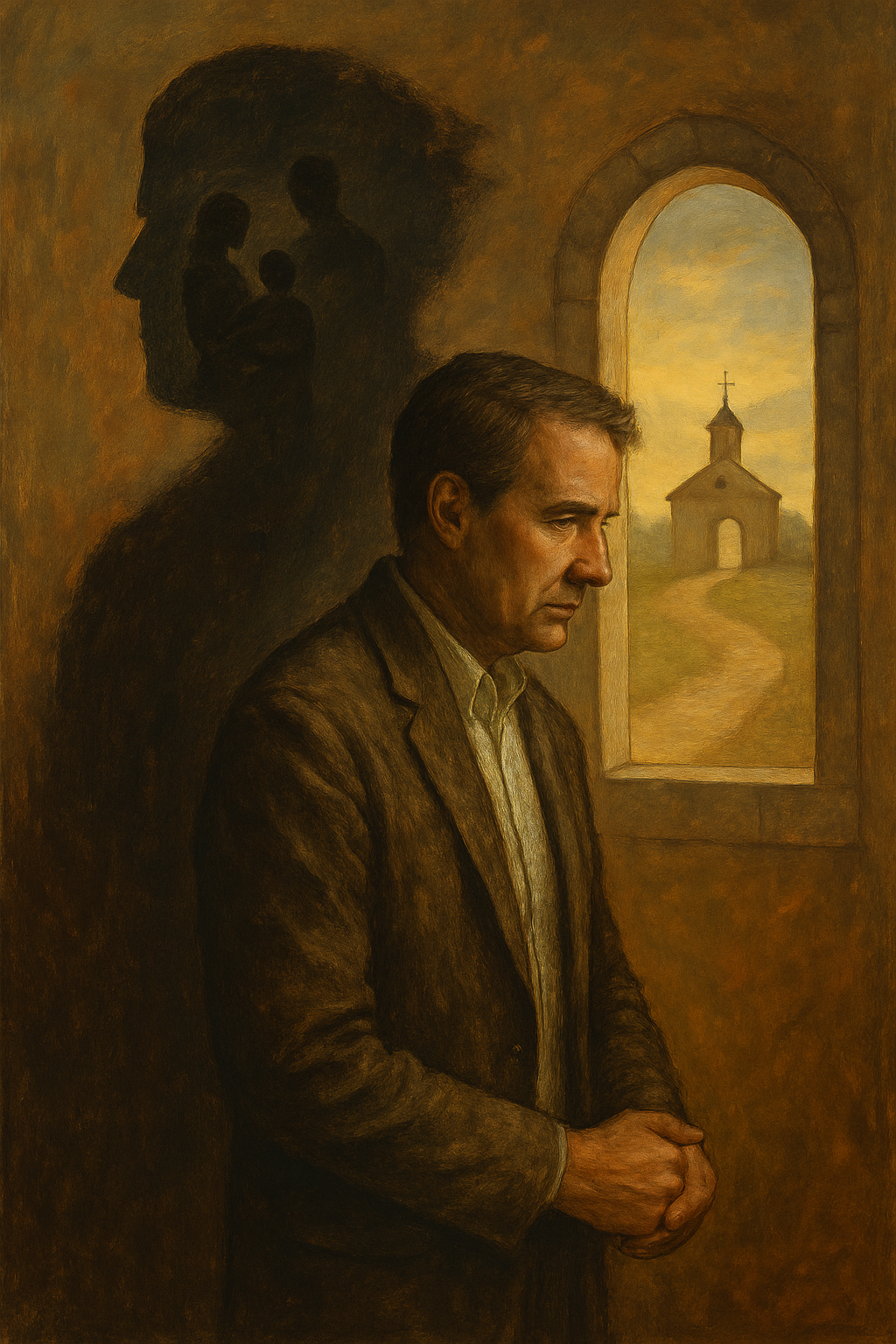
There was a time in my life when I furiously insisted that alcoholism did not exist in my family. We were normal; everything was fine! Today I know that alcoholism is a family disease that affects not only the drinkers but those around them as well. Denial is a symptom of this family disease.
When I began to recognize the alcoholism in my family, my unfortunate past became the topic of all my conversations. Then an Al-Anon member shared about having learned to look back without staring. She pointed out how easy it can be to lose perspective, to feel trapped, to stop living in the present. Unlocking the secrets of the past can offer many gifts, but the purpose of this search is to recover from the effects of alcoholism and get on with our lives here and now.
Today, with the love, support, and encouragement of Al-Anon members, I am able to face the reality of the past, not to place blame or wallow in self-pity but to learn from it.
Today’s Reminder
There is much to learn from the past, but I cannot allow past hurts to smolder and destroy today. Instead, I can ask my Higher Power to help me use my experiences to move forward and to make healthier, more loving choices than ever before.
“Experience is not what happens to you, it is what you do with what happens to you.” ~ Aldous Huxley
END OF QUOTE—————————————
There was a time when I refused to see the truth. I denied the impact of alcoholism in my family, convincing myself that we were like any other family; maybe even a little better than most with our devotion to our religious pursuits. This denial was my shield, my armor against the discomfort of facing the reality that the disease of alcoholism had woven itself into the very fabric of our lives. But denial is its own disease, one that distorts the present and distorts our sense of self, preventing us from fully embracing the truth of who we are.
When the veil of denial began to lift about religious – family mantras, I was forced to confront not just the disease, but its deep-rooted impact on every aspect of my family. It felt as if every conversation I had was consumed by the weight of the past, as if the shadow of alcoholism loomed over everything I said and did. I like the concept of Look back, but don’t stare. This simple yet profound insight reminds me that while the past holds valuable lessons, it is not where I live anymore.
I learned that the past is a teacher, not a prison. There is so much to glean from the experiences we’ve lived through—the pain, the chaos, the confusion—but if I allow those memories to take over, they rob me of today. The purpose of my journey isn’t to dwell in regret or to fixate on blame. It’s to heal, to understand, and to move forward into the life that is here and now.
I see now that experience is not merely the things that happen to me. It is what I do with those things. It is how I allow them to transform me, how I choose to respond with grace, how I choose to move forward and not be trapped by what’s behind me. Today, I no longer need to stare at the past. Today, I am learning to walk into the future with hope and faith, knowing that my past does not define me—it refines me.
My overwhelming desire for control becomes glaringly obvious when I am tempted to control my group. I decide that I know what is best for all of us, or that I am the only one who truly understands the Traditions, or that I know what newcomers need to hear and I alone must make sure they hear it. I may view this as a finely-developed sense of responsibility, but my attitudes and actions still amount to a form of dominance.
The Second Tradition says, “For our group purpose there is but one authority – a loving God as He may express Himself in our group conscience. Our leaders are but trusted servants; they do not govern.” We strive to conduct our meetings as a fellowship of equals and to practice rotation of leadership. No single member has the right to take charge.
When I insist upon having my way, I am tampering with the spiritual nature of Al-Anon as a whole. Just as my Higher Power guides me in my daily life, a Power greater than myself is working within my group through the voices of its members.
Today’s Reminder
I am only one voice in a thriving worldwide fellowship. When in doubt, I will defer to the wisdom of the group conscience.
“Any attempt to manage or direct is likely to have disastrous consequences for group harmony.” ~ Alcoholism, the Family Disease
END OF QUOTE—————————————
In recovery, I often confront the illusion of control—the feeling that I must be the one to steer the ship, to manage the course of others, and to mold situations to fit my vision of how things should unfold. This impulse, disguised as responsibility, betrays my underlying need for dominance. It’s a need rooted in fear, a fear that if I do not assert my way, things will fall apart, that others will falter in ways I cannot control.
The Second Tradition helps me to recognize that the true power within our fellowship is not rooted in one individual’s will but in the collective guidance of a Higher Power, expressed through the voices and experiences of all those present. The Tradition gently reminds me that we are all equals here, each a thread in the fabric of a larger tapestry, woven together by a shared purpose: healing and growth.
The group conscience is the true guide here, and in my moments of doubt or uncertainty, it is the wisdom of the collective that I must trust. My voice is one among many, and when I am tempted to push others into my vision of the best route, I risk overshadowing the very essence of fellowship. In recovery, I am reminded that my role is not to lead alone but to serve in connection, not to manage but to listen, to surrender my need for control and allow the group’s collective wisdom to shape the path forward.
And so, when I am tempted to take charge, I pause. I breathe. I listen. And I defer to the wisdom of the group, trusting that in doing so, I align myself with the spiritual force that guides our shared journey.





 Daily Reprieve
You must be logged in to post a comment.