From Courage to Change of Sep 03:
Before coming to Al-Anon, I had built a lifetime of dreams and promises that were reserved for that one special day called, “Someday.” Someday I’II begin – or end – that project. Someday I’ll call that friend with whom I’ve lost touch. Someday I’ll let them know how I feel. Someday I’II be happy. I’m going to take that trip, find that job, speak my mind. Someday. Just wait and see.
Wait – just as I waited for the alcoholic to come in from a binge, and for inspiration to bring interesting friends and career opportunities to my doorstep, and for everybody else to change. But Al-Anon has helped me to see that today can be the Someday I’ve always wanted. There isn’t enough time in these twenty-four hours to do everything I’ve ever hoped to do, but there is time to start making my dreams come true. By asking my Higher Power for guidance and by taking some small step in the direction of my choice, I will be able to accomplish more than I would ever have thought possible.
Today’s Reminder
Today I will not wait for a blue moon, a rainy day, the 366th day of the year, or Someday to accomplish good things in my life.
“Each indecision brings its own delays and days are lost lamenting over lost days… What you can do or think you can do, begin it. For boldness has Magic, Power, and Genius in it.” – Johann Wolfgang von Goethe
END OF QUOTE—————————————
Johann Wolfgang von Goethe (1749–1832) was a towering figure of German literature, philosophy, and science—widely regarded as one of the greatest writers in Western history.
Most Famous Work: Faust, a tragic play in two parts, considered one of the most important works of Western literature. It tells the story of a man who makes a pact with the devil in search of ultimate knowledge and experience.
Other Works: The Sorrows of Young Werther (1774), a landmark of early Romanticism, which sparked a wave of sentimental literature—and even reported suicides among youth trying to emulate the protagonist.
Goethe explored the duality of human nature, the struggle for meaning, and the tension between reason and passion—anticipating thinkers like Nietzsche, Jung, and even Kierkegaard.
A lifelong seeker, he resisted rigid dogma, saying:
“He who possesses science and art also has religion; he who does not possess them needs religion.”
Goethe was also a scientist, particularly in the fields of botany, anatomy, and color theory. He even challenged Newton’s work on optics, proposing his own (controversial) Theory of Colors.
Goethe was deeply interested in alchemy, myth, the unconscious, and the soul’s evolution—themes that appear throughout Faust and his lesser-known esoteric writings.
Carl Jung considered Goethe a proto-depth psychologist and drew heavily from Faust in his ideas about the shadow, individuation, and the Self.
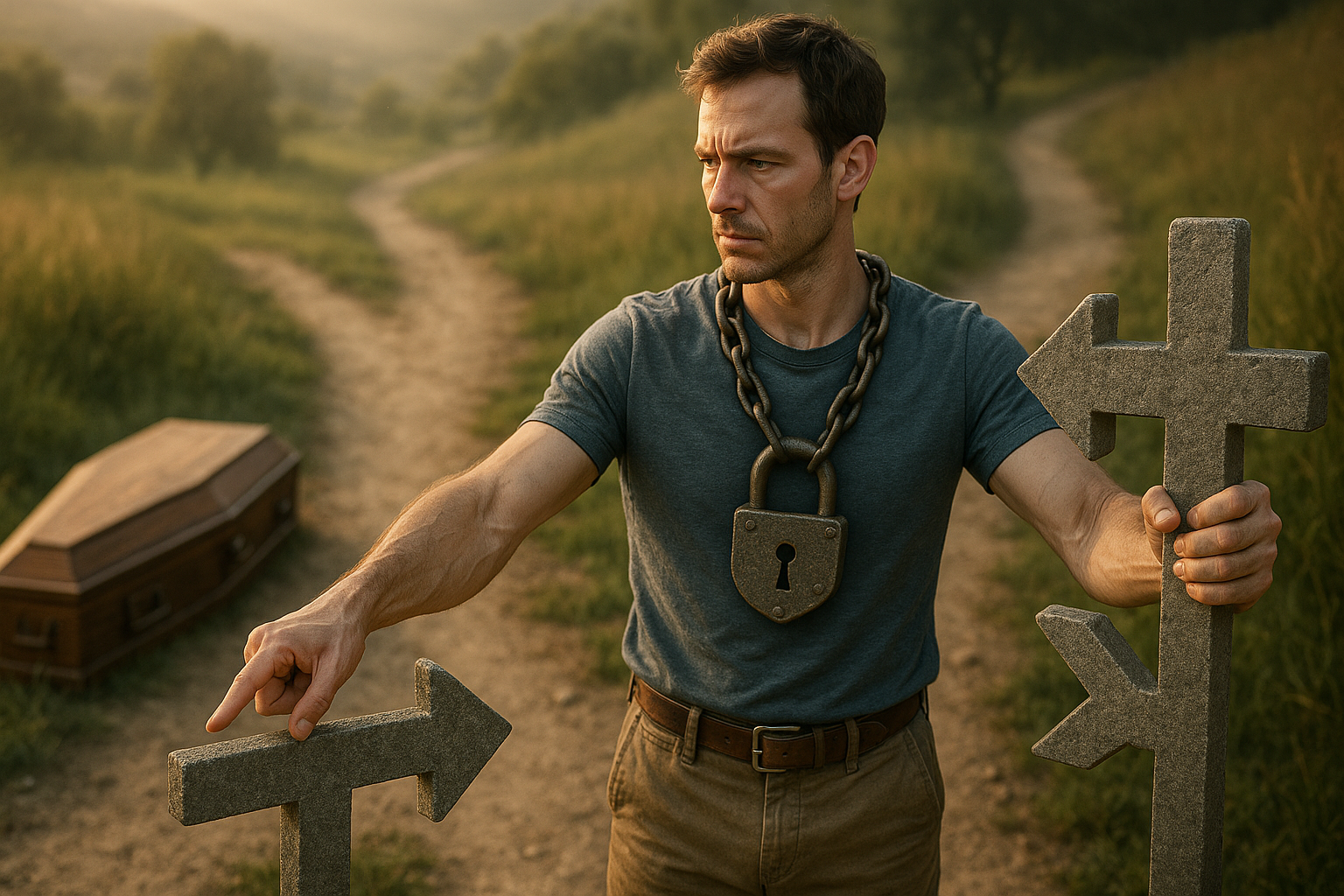
I am afraid of living a potential life. To have potential is to have fear. Only action in the now counters that fear. To achieve failure is better than to protect potential. To risk loss is better than saving for a beautiful coffin. One day at a time. End the day planning for the next. I want to find ways to justify getting out of bed and exhausting myself. The effective and acted on plan is better than the beautifully crafted promise. Someday is a myth that I can carry like a chain around my neck. Life is too sharp, painful, my voice too prone to the hesitant tremble. My grief becomes hardened into a habit. I beat myself to death with promises of someday.
I am free. I am allowed to re-create my life, to begin anew. I want to live boldly, to secure my freedom in quick forgiveness, and not to turn away from being seen.
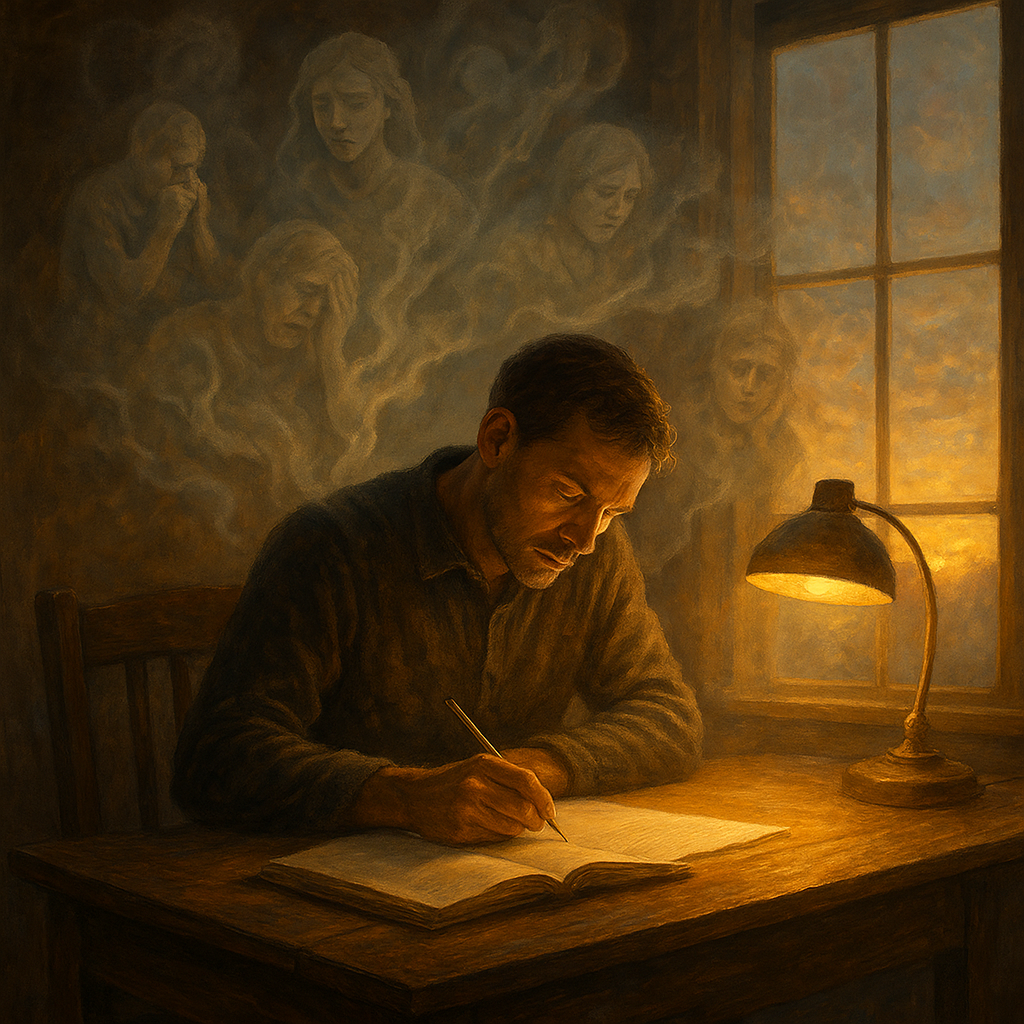
I filled journals and conversations and fantasies with Someday.
But in the shadows of that promise, I postponed my own resurrection.
Because waiting—especially in families ruled by addiction—feels like love at first.
We wait for sobriety.
We wait for peace.
We wait for someone to choose us, change, or come home.
Recovery has shown me something strange and stunning:
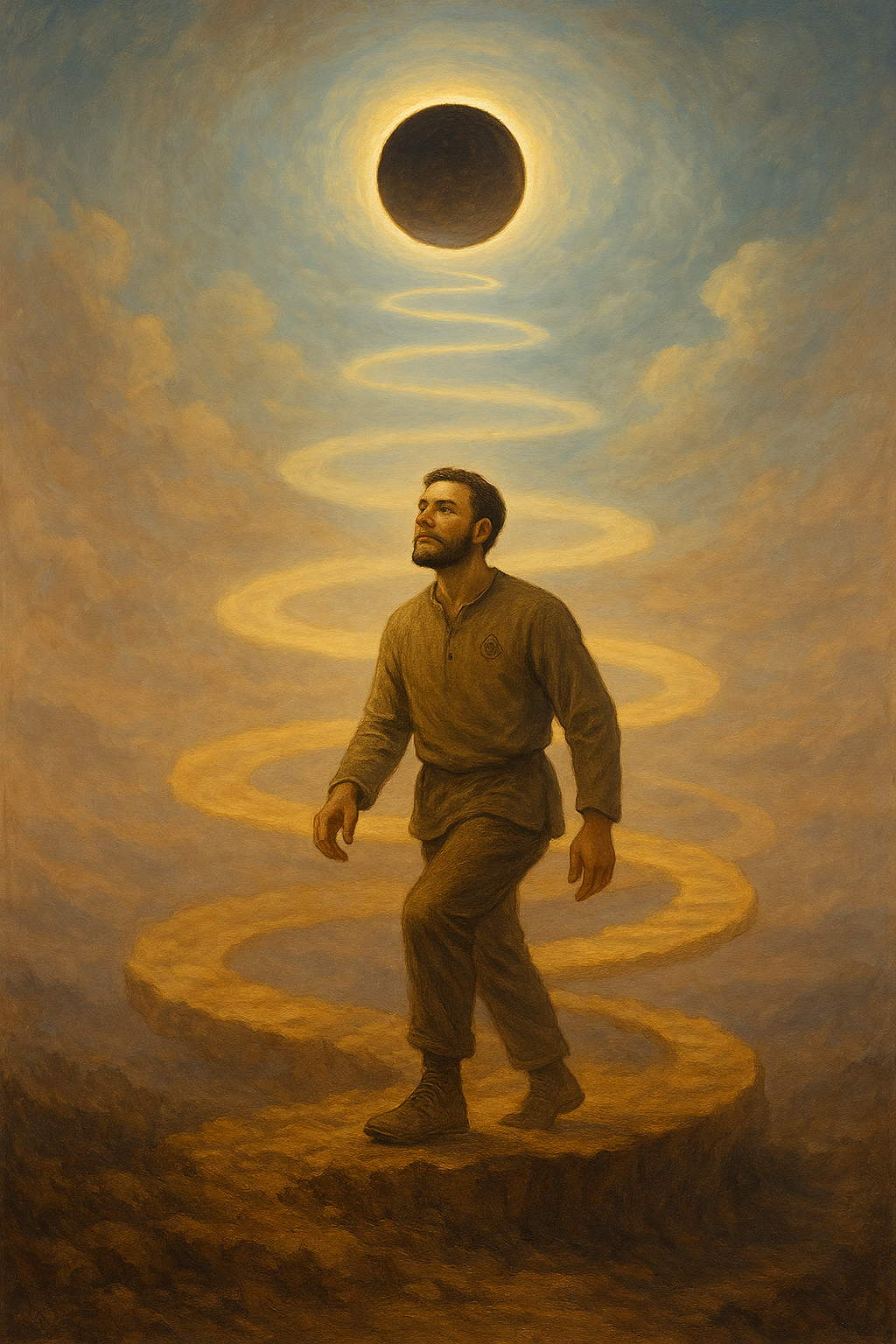
There is no Someday. There is only Today, and the grace to be awake inside it.
Today is not a consolation prize.
Today is the only ground on which miracles grow.
And I don’t need to finish the novel, heal the wound, or reconcile every relationship today.
But I can make the call.
I can take the walk.
I can say the words: “I’m ready.”
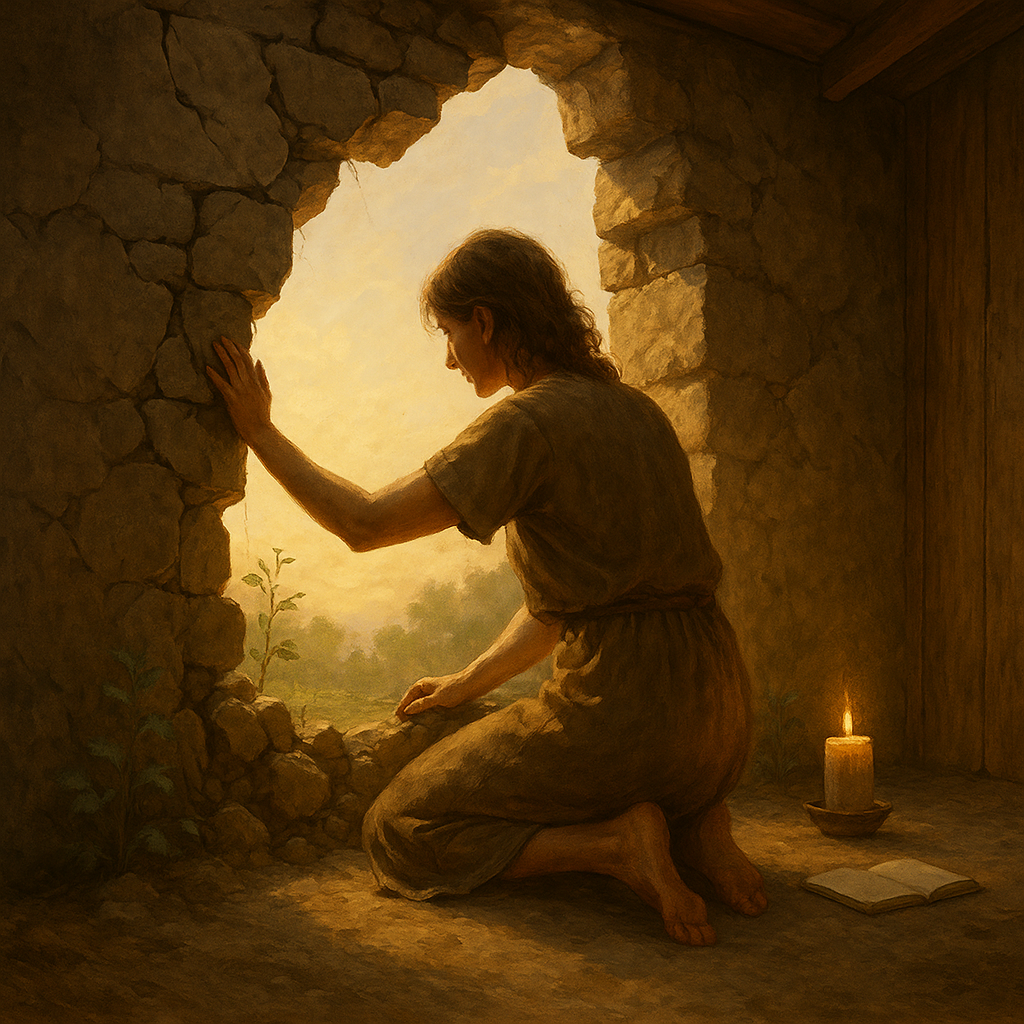
I can set the boundary, speak the truth, write the page, wash the dish, light the candle.
That’s all it takes to betray the myth of Someday and let magic leak into this moment.



 Daily Reprieve
You must be logged in to post a comment.