Archive for loss

Endigar 1032

Posted in Uncategorized with tags , , , , , , , , , , , on August 29, 2025 by endigar

From Courage to Change of Sep 16:

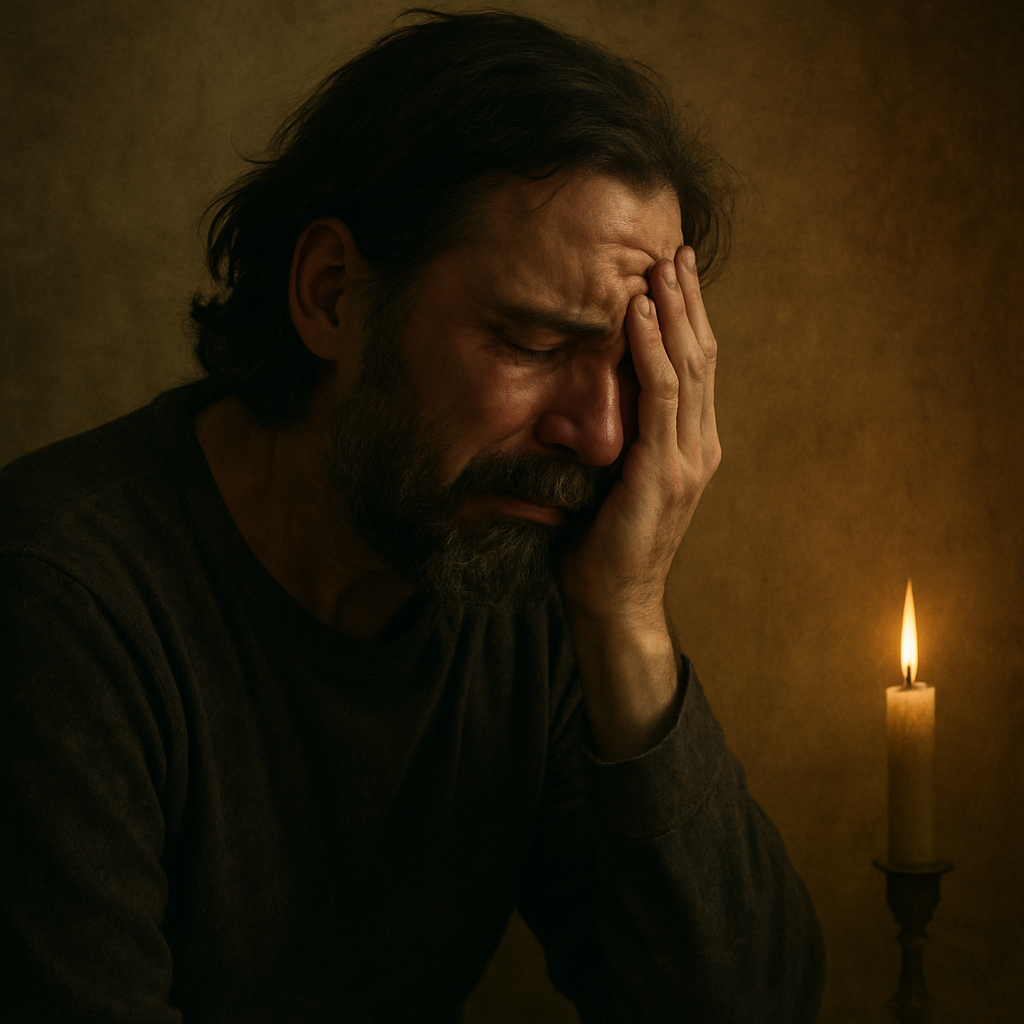
During my years in Al-Anon I have done lots of thinking about the First Step; lately I have done lots of feeling about it, too. The feeling work can be described mostly in one word: Grief. Recalling a friend’s rapid progression through alcoholism, from reasonable health and apparent happiness to cirrhosis and death, I feel grief.

I don’t necessarily hate this disease today, but I do feel fiercely its crippling, powerful presence in my life. I have memories of the damage done to my family, my friends, and myself. I grieve for the loss of love and life that alcoholism has caused. I grieve for the lost years I have spent jumping through the hoops of this disease. I admit that I am powerless over alcohol and that my life has been utterly unmanageable whenever I have grappled with it.

Today’s Reminder

I have suffered many losses as the result of alcoholism. Part of admitting the effects of this disease in my life is admitting my grief. By facing alcoholism’s impact on my life, I begin to move out of its grip and into a life of great promise and hope.

It’s not easy to admit defeat and give in to that powerful foe, alcoholism. Yet, this surrender is absolutely necessary if we are ever to have sane, happy lives again.

END OF QUOTE—————————————

I recognize the devastation alcoholism has caused. Part of the honesty in the First Step is to continue to walk through grief without being defined by it. Could the grief that comes to me from time to time be teaching me about love? About who and what is significant in my life? And maybe this understanding is something that I can share without collapsing into morbid hopelessness. My sorrow connects me to countless others who mourn the same losses. So, I examine my grief as part of my daily inventory, not as a sentence but as a guide. I desire to have the courage to share my grief aloud, refusing to hide it as shame. I suspect that grief, when embraced, becomes not a dead end but a turning point.

What losses am I still carrying, and have I given myself permission to grieve them?

There is a paradox here. To grieve is to admit defeat, to surrender. Yet that surrender is not destruction—it is release. When I say, “I am powerless,” I am not just cataloguing the chaos; I am opening the door to hope. I admit that I cannot force sobriety, cannot control disease, cannot bend life back to what it once was. What I can do is grieve honestly. And in that grief, I find the soil where serenity might one day grow.

Am I confusing surrender with weakness, when surrender is actually the path to strength?

Grief has a strange holiness to it. It feels like loss, but it is also love’s shadow. If I did not care, I would not mourn. In recovery, I learn that even grief can become a companion rather than a captor. By naming it, I loosen its grip. By facing it, I transform despair into reverence for life as it is. My Higher Power does not erase my pain, but breathes into it, teaching me that surrender can be more healing than victory.

How can I let grief soften me instead of harden me?
Endigar 1016

Posted in Uncategorized with tags , , , , , , , , , , , on July 30, 2025 by endigar

From Courage to Change of Sep 02:

During my years in Al-Anon I have done lots of thinking about the First Step; lately I have done lots of feeling about it, too. The feeling work can be described mostly in one word: Grief. Recalling a friend’s rapid progression through alcoholism, from reasonable health and apparent happiness to cirrhosis and death, I feel grief.

I don’t necessarily hate this disease today, but I do feel fiercely its crippling, powerful presence in my life. I have memories of the damage done to my family, my friends, and myself. I grieve for the loss of love and life that alcoholism has caused. I grieve for the lost years I have spent jumping through the hoops of this disease. I admit that I am powerless over alcohol and that my life has been utterly unmanageable whenever I have grappled with it.

Today’s Reminder

I have suffered many losses as the result of alcoholism. Part of admitting the effects of this disease in my life is admitting my grief. By facing alcoholism’s impact on my life, I begin to move out of its grip and into a life of great promise and hope.

It’s not easy to admit defeat and give in to that powerful foe, alcoholism. Yet, this surrender is absolutely necessary if we are ever to have sane, happy lives again.

END OF QUOTE—————————————

NOTE: I gave AI a free hand with this one. It was difficult to write. Maybe that is cowardly. I do have people who have lived out the tragic end of Step One. My stepson is one of them. So, I cannot…

There are seasons in recovery when the mind must grow silent, and the heart, long buried under slogans and solutions, begins to speak. This reading is one such moment—where understanding gives way to feeling, and feeling leads me through the smoke of memory into the fire of grief.

For so long I thought Step One was an intellectual milestone. A declaration. A banner I could wave to mark the beginning of a new life: “We admitted we were powerless over alcohol—that our lives had become unmanageable.” I could recite it, share about it, even teach it.

But now I live it.

And living it means grieving.

Grieving not just what I lost, but what I was. The version of me who couldn’t stop trying. Who begged love to stay by becoming small. Who tried to fix the unfixable. Who danced for approval while my soul bled in private. Who kept showing up with a smile when the house inside was crumbling.

I grieve the hope I kept in others who were circling the drain.

I grieve the way addiction distorted love until it became bargaining.

I grieve the time.

The years.

The endless contortions of spirit.

And yet, this grief is not my enemy. It is the veil I must walk through. It is the sacred tearing, the blood-bound lament that says: You tried. You loved. You lost. And now… you can stop fighting.

Surrender is not failure. It is an act of sacred bravery.

To say, “I cannot do this anymore,” is to whisper a spell of resurrection.

Because from that whisper rises the first fragile breath of sanity. The tremble of hope not yet named. The promise that a power greater than myself might still hold me, even now, in this crumpled and unmanageable state.

So I grieve. And in that grief, I do not collapse—I arrive.

At the beginning.

At Step One.

At the aching threshold of healing.

And I hear it again, not as dogma, but as an invocation:

“We admitted…”

Yes. That is how the miracle always begins.