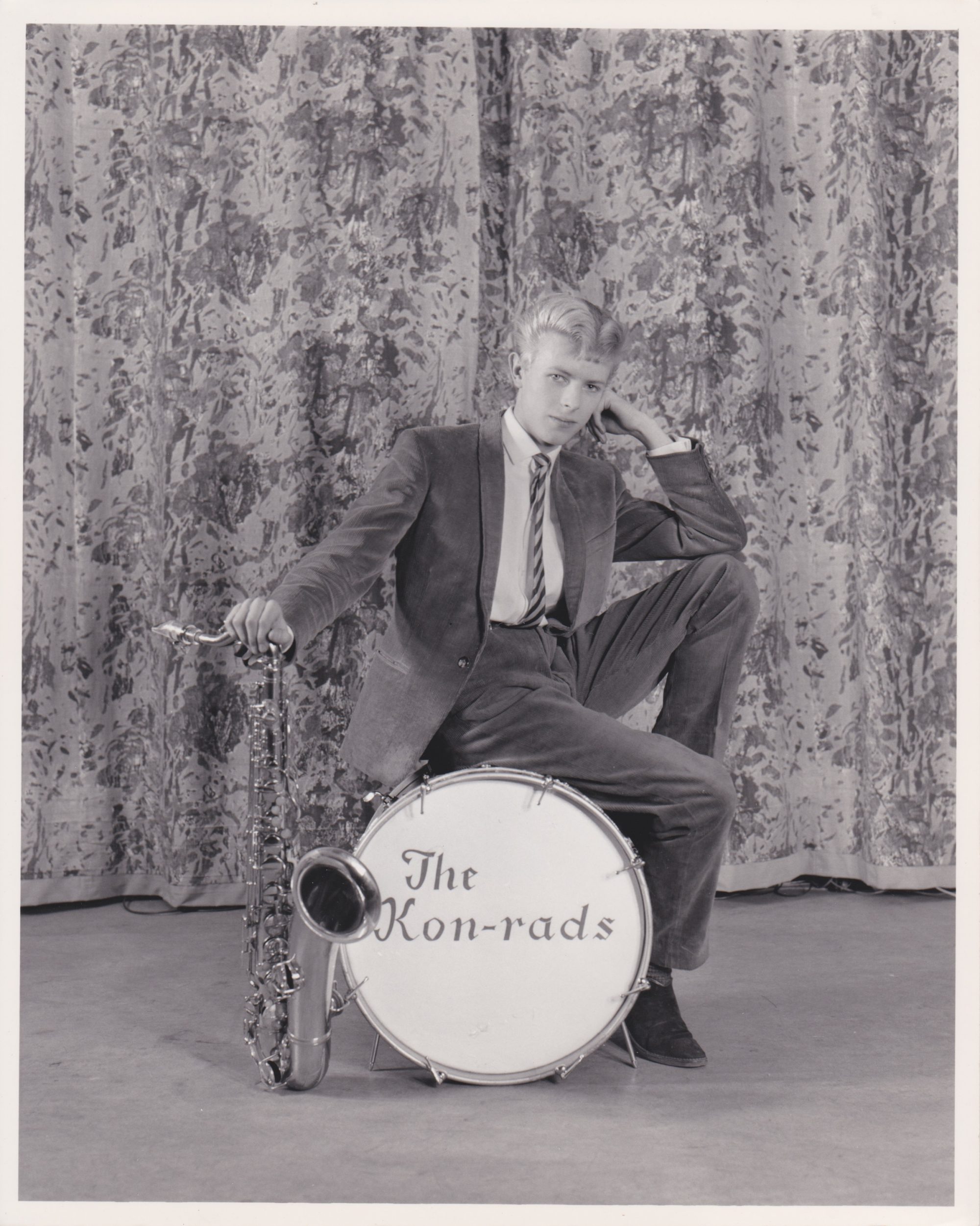
David Bowie did achieve long term sobriety, but there is not evidence he ever attended AA. His recovery was marked by geographical adjustments and secured in a second marriage, much like Johnny Cash.
David Bowie’s Los Angeles period (roughly 1974–1976) is infamous for both its artistic breakthroughs and his near self-destruction on cocaine. He lived in L.A. during the height of his addiction, when paranoia, occult fascinations, and personal disintegration shadowed his creativity. Yet, astonishingly, he produced some of his most influential work.
Key Albums of the L.A. Cocaine Years
1. Diamond Dogs (1974)
- Originally conceived as a rock-opera adaptation of George Orwell’s 1984, until Orwell’s estate denied him rights.
- Bowie fused dystopian imagery with glam and proto-punk energy.
- Standout tracks: Rebel Rebel, Diamond Dogs, 1984.
- Theatrical and apocalyptic, reflecting his crumbling psyche.
2. Young Americans (1975)
- Recorded while in the U.S., but deeply tied to his L.A. phase.
- Bowie immersed himself in “plastic soul,” collaborating with Luther Vandross and featuring John Lennon (Fame came from this collaboration).
- The album marked a stylistic pivot, showing his restless experimentation even as addiction consumed him.
3. Station to Station (1976)
- Written and recorded in L.A. at the height of his cocaine psychosis.
- The persona of the Thin White Duke—cold, aristocratic, and fascist-tinged—was born here, mirroring Bowie’s own paranoia and occult dabblings.
- He later admitted he had little memory of making the album, surviving on milk, peppers, and “mountains of cocaine.”
- Standout tracks: Station to Station, Golden Years, Word on a Wing.
Themes of the L.A. Years
- Paranoia and the Occult: Bowie reportedly believed witches were stealing his semen and had his pool exorcised.
- Identity Fracture: He described himself as “inhabited by multiple characters.” The Thin White Duke persona became a chilling mask for his real condition.
- Transition Point: Though destructive, this period was also the crucible that burned away glam rock excess and pushed him toward the reinvention of the Berlin Trilogy.
So, in L.A., amid chaos and near collapse, Bowie created a dystopian glam epic (Diamond Dogs), an American soul experiment (Young Americans), and one of his greatest transitional works (Station to Station). Each bears the fingerprints of cocaine, paranoia, and genius in equal measure.
His Berlin years (1976–79) were a conscious escape from Los Angeles excess; he used the time to detox, create the “Berlin Trilogy,” and reinvent himself musically.
Bowie’s Berlin years (1976–1979) are often seen as his resurrection: a period of detox, discipline, and astonishing innovation. After nearly destroying himself in Los Angeles, he fled first to Switzerland and then to Berlin with Iggy Pop, determined to get clean, escape fame’s chaos, and reinvent himself.
The Berlin Trilogy (with Brian Eno & Tony Visconti)
1. Low (1977)
- Recorded at Château d’Hérouville (France) and Hansa Studios (Berlin).
- Side A: fragmented, angular rock songs (Sound and Vision, Be My Wife).
- Side B: ambient, instrumental soundscapes (Warszawa, Art Decade).
- It shattered pop conventions—alien, minimal, influenced by Krautrock (Kraftwerk, Neu!).
- Initially misunderstood, now seen as groundbreaking and hugely influential on post-punk, electronic, and ambient music.
2. “Heroes” (1977)
- The only Trilogy album fully recorded in Berlin.
- Title track (“Heroes”) became one of Bowie’s most iconic songs—an anthem of defiance inspired by lovers kissing by the Berlin Wall.
- Again, a split: rock songs (Beauty and the Beast, Blackout) and dark ambient instrumentals (Sense of Doubt, Neuköln).
- Rawer and more muscular than Low, with Robert Fripp’s searing guitar work.
3. Lodger (1979)
- More accessible than the first two, yet still experimental.
- World music influences, odd structures, and surreal lyrics.
- Tracks like DJ, Boys Keep Swinging, and Look Back in Anger kept the edge while edging toward new wave.
- Often underrated, but it set the stage for 1980’s Scary Monsters (and Super Creeps).
Other Berlin-Era Work
- With Iggy Pop: Bowie co-wrote and produced The Idiot (1977) and Lust for Life (1977), two classics that revitalized Iggy’s career. He also co-wrote China Girl (later re-recorded on Bowie’s Let’s Dance).
- Film: During this time, Bowie also acted in Just a Gigolo (1978) and refined his interest in visual art and painting.
Themes of the Berlin Years
- Detox & Healing: Bowie used Berlin as a place to escape fame, walk the streets anonymously, and focus on painting and normalcy.
- Sonic Innovation: He dismantled pop expectations, combining rock with ambient, electronic, and avant-garde sounds.
- Creative Partnership: Brian Eno’s experimental approach gave Bowie the space to reinvent himself, while producer Tony Visconti kept it grounded.
- Cold War Backdrop: Berlin itself, divided and tense, seeped into the music—industrial, paranoid, but shot through with fragile hope.
So in Berlin, Bowie went from near-death in L.A. to creating a trilogy of experimental albums that reshaped modern music, while helping revive Iggy Pop. These years stand as his most daring artistic leap.
1970s Films – Experimental & Breakthrough
- The Image (1969, short film) – A silent horror short where Bowie plays a living painting.
- The Man Who Fell to Earth (1976) – Breakthrough role. Bowie as Thomas Jerome Newton, an alien stranded on Earth. Directed by Nicolas Roeg; a cult classic that fused his “otherworldly” stage persona with cinema.
- Just a Gigolo (1978) – As Paul Ambrosius von Przygodski, a Prussian officer navigating Berlin after WWI. Co-starred with Marlene Dietrich in her final screen appearance.
David Bowie’s 1980s through early 1990s output is one of his most varied, and also the most commercially visible period of his career. It shows the tension between pop superstardom and his restless urge to reinvent.
1980s (Superstardom and Pop Experiments) Alcoholic Years
1. Scary Monsters (and Super Creeps) (1980)
- Seen as the bridge between the experimental Berlin years and 1980s mainstream.
- Known for Ashes to Ashes (a revisiting of Major Tom, filtered through drug recovery), Fashion, and Scary Monsters.
- Critically acclaimed, bold, and artistic.
2. Let’s Dance (1983)
- Produced with Nile Rodgers (Chic).
- Huge commercial success—catapulted Bowie to global pop icon status.
- Hits: Let’s Dance, China Girl (revival of his Iggy Pop collaboration), Modern Love.
- Funky, accessible, danceable. But Bowie later felt it boxed him into mainstream expectations.
3. Tonight (1984)
- Rushed follow-up, often criticized as weak.
- Included covers (God Only Knows) and re-used Iggy Pop co-writes (Tonight, Neighborhood Threat).
- Still had a hit with Blue Jean.
4. Never Let Me Down (1987)
- Ambitious but uneven.
- Tracks: Day-In Day-Out, Time Will Crawl, Never Let Me Down.
- Bowie later admitted he felt let down by this record himself—though songs like Time Will Crawl were later reworked to better effect.
5. Tin Machine (1989–1992)
- Bowie formed a band with Reeves Gabrels and the Sales brothers, stepping away from being a solo icon.
- Tin Machine (1989) and Tin Machine II (1991).
- Raw, guitar-driven, proto-grunge energy—hugely influential on 90s alternative rock, though critics were divided at the time.
- Bowie said it helped him rediscover himself musically by stripping away pop polish.
1980s – Cult Horror & Fantasy Films
- Christiane F. (1981) – Cameo as himself in concert scenes, reinforcing his cultural role in Berlin’s youth scene.
- The Snowman (1982, short/TV) – Introduced the animated Christmas special in the UK broadcast version.
- The Hunger (1983) – John Blaylock, the rapidly aging vampire, alongside Catherine Deneuve and Susan Sarandon.
- Merry Christmas Mr. Lawrence (1983) – Major Jack Celliers, a British soldier in a Japanese POW camp. Critically acclaimed, showing Bowie’s dramatic depth.
- Yellowbeard (1983, cameo) – Small comic role in the pirate spoof.
- Into the Night (1985) – Small role as an eccentric hitman in John Landis’s dark comedy.
- Absolute Beginners (1986) – Vendice Partners, a flamboyant ad man in a stylized musical set in 1950s London.
- Labyrinth (1986) – Perhaps his most iconic role: Jareth the Goblin King. Bowie’s performance and songs (Magic Dance, As the World Falls Down) cemented the film’s cult legacy.
Bowie Marries Iman and Divorces Alcohol (1992)
David Bowie married Iman Abdulmajid on April 24, 1992, in a private civil ceremony in Lausanne, Switzerland.
They held a larger wedding celebration in Florence, Italy, on June 6, 1992, with family and friends.
That union lasted until Bowie’s death in 2016, nearly 24 years, and is remembered as his most stable and joyful chapter.
He married twice:
1. Angie Bowie (née Mary Angela Barnett)
- Married: 1970
- Divorced: 1980
- They had one son together, Duncan Zowie Haywood Jones (born 1971), now a filmmaker.
- Angie has often been outspoken in the press about their wild, drug-fueled years, though Bowie later distanced himself from her and rarely spoke about the marriage.
2. Iman (Somali-American supermodel)
- Married: 1992
- They remained together until Bowie’s death in 2016.
- They had one daughter, Alexandria “Lexi” Zahra Jones (born 2000).
- Bowie described Iman as the love of his life. Their marriage was famously stable, private, and nurturing—marking his longest and happiest partnership.
Bowie quit alcohol in the early 1990s, he entered his final era of disciplined sobriety (c. 1993–2016). During this time, he worked with clarity and intention, creating music that was often reflective, experimental, and deeply personal. Here’s the arc of that sober period:
1993–1999: Creative Renewal
1. Black Tie White Noise (1993)
- His first solo work after Tin Machine and his first as a newly sober man.
- Inspired by his marriage to Iman and social issues (L.A. riots).
- Standouts: Jump They Say, Miracle Goodnight, Black Tie White Noise.
2. The Buddha of Suburbia (1993)
- Soundtrack/experimental album for the BBC series.
- Little known, but adventurous and foreshadowed his more ambient leanings.
3. Outside (1995)
- Collaboration with Brian Eno again.
- A dark, sprawling, conceptual “non-linear Gothic drama” about art, murder, and dystopia.
- Standouts: Hallo Spaceboy, The Heart’s Filthy Lesson.
- Influenced industrial/alt scenes (Trent Reznor toured with him).
4. Earthling (1997)
- Embraced drum & bass and electronic rave culture.
- Standouts: Little Wonder, I’m Afraid of Americans.
- Energetic, forward-looking, showing he wasn’t stuck in the past.
5. Hours (1999)
- More introspective, melancholy.
- Standouts: Thursday’s Child, Seven.
- A turning inward, aging gracefully.
2000–2004: Mature Experimentation
6. Heathen (2002)
- Produced with Tony Visconti.
- Atmospheric, spiritual, thoughtful.
- Standouts: Everyone Says ‘Hi’, Slip Away.
- Often seen as one of his strongest late-career records.
7. Reality (2003)
- More rock-oriented, live energy.
- Standouts: New Killer Star, Fall Dog Bombs the Moon.
- He toured heavily until 2004, when a heart attack forced him to withdraw from public performance.
2004–2012: Silence and Withdrawal
- After the heart attack, Bowie became almost entirely private.
- He rarely appeared in public, focusing on art, family, and recovery.
- Many thought his career was over.
2013–2016: The Final Masterpieces
8. The Next Day (2013)
- Surprise release after a decade of silence.
- Both a nod to his past (cover art reworking “Heroes”) and a reinvention.
- Standouts: Where Are We Now?, The Stars (Are Out Tonight).
- Critically praised as a triumphant return.
9. Blackstar (2016)
- Released on his 69th birthday (January 8, 2016), just two days before his death.
- Experimental jazz fusion, cryptic lyrics, meditations on mortality.
- Standouts: Blackstar, Lazarus, I Can’t Give Everything Away.
- Universally hailed as a masterpiece and his deliberate parting gift.
In Summary
While sober, Bowie produced:
- 1990s: eclectic renewal (Black Tie White Noise, Outside, Earthling).
- 2000s: mature reflections (Heathen, Reality).
- 2010s: final reinvention (The Next Day, Blackstar).
Sobriety sharpened his vision. Instead of chaotic excess, his late music is marked by clarity, mortality, mystery, and legacy—culminating in Blackstar, a haunting farewell that stands among his greatest works.
1990s – Quirky, Offbeat Roles
- The Linguini Incident (1991) – Monte, a barman caught up in a heist with Rosanna Arquette.
- Twin Peaks: Fire Walk with Me (1992) – FBI Agent Phillip Jeffries, who appears and vanishes in a surreal, fragmented sequence. (Later reprised through archival footage in the 2017 revival).
- Basquiat (1996) – Played Andy Warhol, to great acclaim—considered one of his strongest screen roles.
- Everybody Loves Sunshine (a.k.a. B.U.S.T.E.D.) (1999) – Gangster role as Bernie, opposite Goldie.
2000s – Cameos & Voice Work
- Zoolander (2001) – As himself, judging a fashion walk-off (scene has cult comedy status).
- The Prestige (2006) – Nikola Tesla, the visionary scientist. Christopher Nolan cast Bowie specifically for his enigmatic aura—one of his most memorable late roles.
- August (2008) – Cyrus Ogilvie, in a drama about the dot-com collapse.
- Arthur and the Invisibles (2006) – Voice of Maltazard, the villain (also reprised in sequels Arthur and the Revenge of Maltazard (2009) and Arthur 3: The War of the Two Worlds (2010)).
Television & Miscellaneous Highlights
- Extras (2006, TV cameo) – Played himself, brilliantly skewering Ricky Gervais’s character with an improvised song.
- SpongeBob SquarePants (2007, voice) – Lord Royal Highness in the special episode Atlantis SquarePantis.
- Numerous documentaries and concert films throughout his career.
In Summary
- 1970s: Otherworldly and serious (alien, soldier, drifter).
- 1980s: Cult fantasy and horror (Goblin King, vampire, POW).
- 1990s: Quirky, postmodern (Warhol, Twin Peaks surrealism).
- 2000s: Legendary cameos and iconic late roles (Tesla in The Prestige).
Bowie never became a conventional movie star, but his roles were chosen for symbolic resonance—alien, outsider, visionary, trickster.

Here’s a timeline of David Bowie & Iman’s marriage (1992–2016). It shows how their union unfolded in stability, creativity, and enduring love:
1992 – Marriage
- April 24, 1992: Private civil ceremony in Lausanne, Switzerland.
- June 6, 1992: Formal wedding celebration in Florence, Italy.
- Bowie described meeting Iman as “instant” love—he said he was “naming the children the night we met.”
1990s – New Life, New Music
- 1993: Bowie released Black Tie White Noise, heavily inspired by his marriage to Iman. The song Miracle Goodnight is a direct tribute.
- They established a private home life in New York, away from the tabloid glare.
- 1990s: Iman continued a successful modeling and humanitarian career, while Bowie explored eclectic musical directions (Outside, Earthling).
2000 – Parenthood
- August 15, 2000: Their daughter Alexandria “Lexi” Zahra Jones was born.
- Bowie, who already had a son (Duncan Jones), was deeply devoted to Lexi. He often said fatherhood in his 50s gave him a renewed sense of purpose.
2000s – Domestic Years
- 2002–03: Bowie released Heathen and Reality, toured heavily, then suffered a heart attack in 2004.
- After this health scare, Bowie retreated from touring and public life.
- For nearly a decade (2004–2013), he lived quietly with Iman and Lexi in New York, focusing on painting, art collecting, and family.
2010s – Quiet Love, Final Works
- 2013: Bowie stunned the world by returning with The Next Day, dedicated in part to the life he had built with Iman.
- 2016: Released Blackstar on his 69th birthday, just two days before his death. The album’s themes of mortality and transcendence resonate as a farewell.
2016 – Passing & Legacy
- January 10, 2016: Bowie died in New York, after an 18-month private battle with liver cancer.
- Iman later described their marriage as her greatest blessing: “David is my forever love.”
NOTE: This writing is the result of me asking questions and AI answering me. It represents a compilation of our interaction. It was inspired when someone in my AA group posted a video short of Bowie talking about no longer drinking and that he recognized he was an alcoholic.
 Daily Reprieve
You must be logged in to post a comment.