Endigar 1075
From Courage to Change of Oct 25:
One of my defects of character is to make choices passively — letting things happen rather than taking action. For example, I stood by and watched my children suffer abuse because I was unable to make a decision and follow through with it. I had been severely affected by alcoholism, and I was not capable of doing otherwise at the time. It was the best I could do under the circumstances, but harm was done, and I owe amends.
One way to make amends is to stop practicing the defect. In every area of my life I can ask myself: Am I taking responsibility for my choices today? Do I make a positive contribution to my meetings, or do I assume that somebody else will take care of everything? Am I making choices I can be proud of at home, at work, and in my community, or letting the choices be made for me?
Today’s Reminder
Al-Anon has no opinion on outside issues. It doesn’t define my responsibilities or select my values — that is up to me. It does encourage me to define my values, to take responsibility for choices I am already making, and to make amends where I have done harm. I need not think of myself as a victim of unseen forces that make disasters happen. Today I can make active choices.
“Making amends isn’t just saying, ‘I’m sorry.’ It means responding differently from our new understanding.” ~ As We Understood
END OF QUOTE—————————————
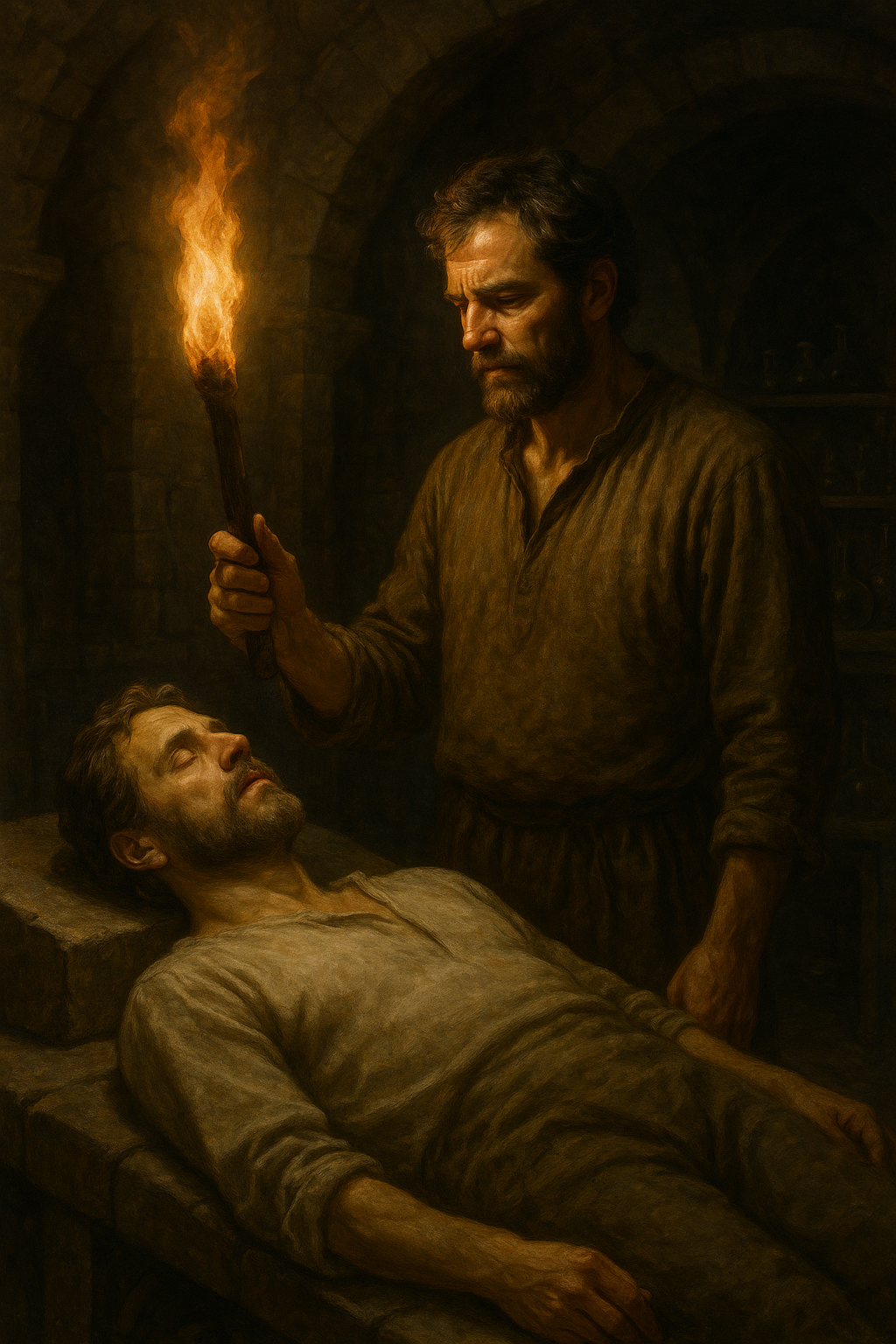
There were things I allowed to happen to survive as a young man and as an adult. I hate that I did not participate in my own life and others suffered as a result. The reality that I was not capable of doing otherwise at the time is not an excuse; it is spiritual realism.
Recovery teaches that I can only act from the level of consciousness I possess in that moment. To name powerlessness in retrospect is not to minimize the harm, but to stop confusing shame with accountability. Shame keeps us inert; accountability moves us toward repair.
Passivity is one of alcoholism’s quieter legacies. It trains us to wait for someone else to decide—because decision once meant danger. The defect here is not laziness but paralysis: the learned belief that action only makes things worse.
My power lies in its redefinition of amends: to stop practicing the defect. Not to rewrite the past, but to practice agency in the present. Each time we take responsibility for a small decision—volunteering at a meeting, choosing to speak truth at home, following through at work—we build new muscle where fear once lived.
This is the alchemy of amends: turning regret into responsibility.
 Daily Reprieve
Leave a comment