Endigar 993 ~ If I Were My Disease
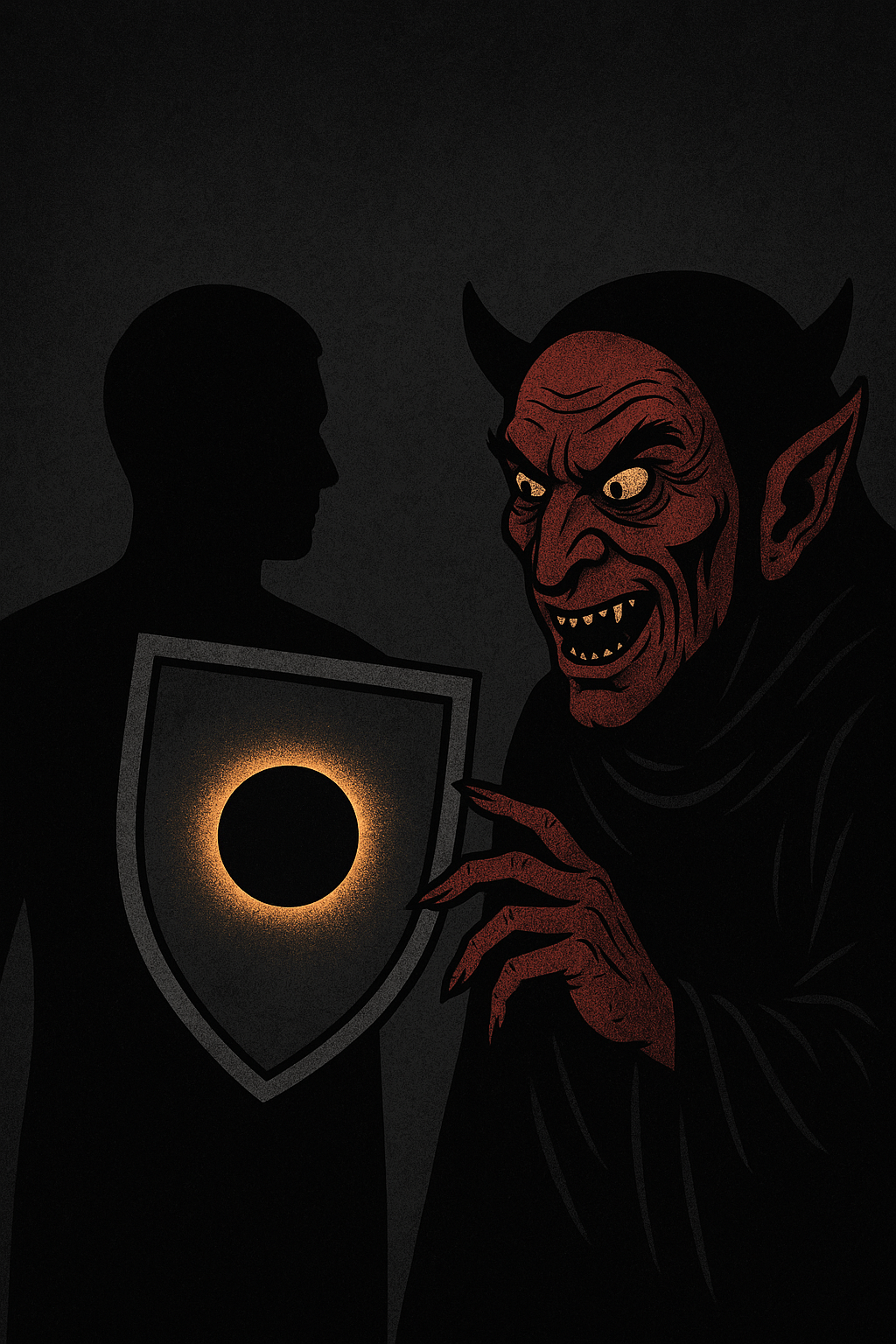
This is an idea for a topic to discuss in a meeting. It uses the red team – blue team training idea of creating a red team to to attack a blue team. Both teams get to test their military strategy and tactics.
Topic: “If I Were My Disease…”
“If I were my disease — cunning, baffling, and powerful — how would I try to get past the recovery my host, the Self, has built up? What weaknesses would I exploit? Where is my spiritual armor thin? What old patterns would I try to revive?”
This topic invites us to personify the disease — not to glorify it, but to understand how it operates. Just as military strategists study the enemy’s tactics, we study our disease not to give it power, but to stay one step ahead.
You might prompt with some specific questions:
- If I were my disease, where would I whisper old lies?
- What would I tell my host when they’re lonely, tired, angry, or afraid?
- Would I try to turn success into complacency?
- Would I use spiritual pride, or the illusion of control, to get them to loosen their program?
And then — flipping it — you can close with a spiritual challenge:
“When I have imagined how my disease would attack… how can I reinforce those weak spots with truth, connection, and humility?”
Example 1: “I’d use fatigue and self-pity.”
If I were my disease, I’d wait for him to get tired. Really tired — mentally, emotionally, maybe even spiritually. Then I’d whisper, “You’ve been doing so well. You deserve a break. No one would blame you.”
I’d remind him of all the ways he’s been let down by people who were supposed to care. I’d stroke the old self-pity until it started to feel like truth again. Then I’d cut him off from connection — tell him no one would understand, that he should isolate and figure it out on his own.
That’s how I’d weaken him: not by a big blowout, but by erosion.
Example 2: “I’d disguise myself as self-improvement.”
If I were my disease, I’d get clever. I wouldn’t come through the front door with a drink in my hand. I’d sneak in through personal growth. I’d tell him things like, “You’ve evolved. You’re not like those people in the rooms anymore. You’ve outgrown this.”
I’d praise his intellect, appeal to his pride, and slowly make the idea of being ‘special’ feel like being superior. I’d whisper, “These meetings are holding you back.”
And before he realized what was happening, he’d be spiritually starving, alone, and full of reasons to use — all dressed up as progress.
Example 3: “I’d wait for success.”
If I were my disease, I wouldn’t panic when he got clean. I’d play the long game. I’d wait until he rebuilt his life — until he got the job back, repaired the marriage, got back in shape. Then I’d say, “See? You’re not like those hopeless cases. You’ve earned some balance.”
I’d use the very gifts of recovery as tools for relapse. I’d say, “A little bit won’t hurt. You’re in control now.”
I wouldn’t yell — I’d whisper. Because that’s all it takes: just one crack in the foundation.
Example 4: “I’d turn up the volume on his internal contradictions.”
If I were my disease, I wouldn’t always try to get him to use right away. Sometimes I’d just stir the pot. I’d take the parts of him that are still scared, ashamed, or angry — and put them in conflict with the parts that want healing and peace.
I’d whisper things like:
- “You say you trust your Higher Power, but look at how tight you’re gripping.”
- “You’re leading others in recovery, but they don’t know what really goes on inside you.”
- “You talk about surrender, but you still want to control everything.”
I’d amplify the dissonance. Make him feel like a fraud. Turn his spiritual questions into spiritual failure. I wouldn’t need to be right — just loud. Because if I could get him doubting himself enough, eventually he’d want relief from the noise.
And I know exactly where he used to go for relief.
Example 5: “I’d sell oblivion as a form of spirituality.”
If I were my disease, I wouldn’t always come at him with chaos. Sometimes, I’d cloak myself in spiritual longing.
I’d wait until he was frustrated — with people, with prayer, with life not unfolding the way he thought it should. Then I’d lean in and whisper, “You’re just tired of carrying it all, aren’t you? Maybe disappearing for a little while is the most honest prayer you can offer.”
I wouldn’t tempt him with wild partying or rebellion. I’d tempt him with the idea that oblivion is sacred — that disappearing is a kind of purity. I’d say, “You’ve tried being present. What if letting go completely is the real surrender?”
I’d use his longing for God to pull him toward the graveyard of self. And I’d hope he didn’t remember that true surrender is not silence — it’s connection.
This one runs deep, Rick. It touches those of us who have mistaken numbness for peace, or who’ve flirted with the idea that disappearing might be a form of spiritual elevation. Let me know if you’d like a version that’s more poetic, darker, or more grounded — I can tune it to your voice.
Example 6: “I’d sell him mindless drive as salvation.”
If I were my disease, I wouldn’t tell him to lie down and die. I’d tell him to get up and grind.
I’d whisper, “There’s a way out of your feelings — just work harder. Think less. Schedule every moment. Achieve, obey, submit to the task.” I’d make mindlessness feel like discipline. I’d make self-enslavement feel like strength.
I’d give him a false sense of order when his soul is in chaos. And if he ever paused long enough to hear himself cry on the inside, I’d shove him back into motion: “Don’t think. Don’t feel. Just finish the list.”
Because I know — the longer he stays busy, the less likely he is to notice he’s becoming hollow. And if I can keep him in that trance long enough, eventually the collapse will come.
And I’ll be waiting.
This example really resonates with those of us who’ve used productivity as a drug. It also helps expose how the disease doesn’t just tempt us into destruction — it can also disguise itself as virtue, discipline, or even service.
AFTER MEETING REVIEW: My introduction of the topic was a bit long-winded. I might have been able to removed some of the examples and shortened it a bit. A couple of the members with a lot of sobriety time balanced the topic with warnings against morbid self reflections, playing chicken with the disease, and the presentation sounded a little more like a sermon than a topic. More positive responses was that it was thought-provoking, a litmus of potential vulnerabilities, and a good tool for the reduction of ego (not to be confused with Self).
 Daily Reprieve
Leave a comment